
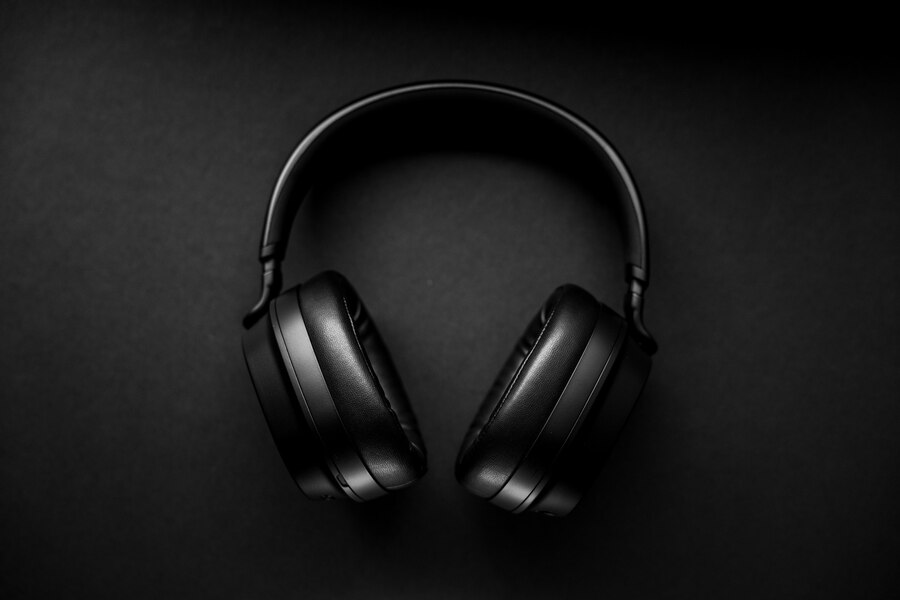
Headphones are an essential part of our everyday lives, whether you’re commuting, exercising, working, or just enjoying some downtime with your favorite music or podcast. With so many different types of headphones on the market, it can be difficult to choose the right one for your specific needs. In this blog, we’ll walk you through the key factors to consider when choosing the perfect pair of headphones.
The first step in finding the perfect pair of headphones is deciding what type suits your needs best. There are three main types of headphones to choose from:
Over-Ear Headphones: These headphones are larger and cover your entire ear, providing better sound isolation and comfort for extended listening sessions. They’re ideal for audiophiles, gamers, or anyone who enjoys high-quality sound with a deeper bass.
On-Ear Headphones: These are smaller and sit directly on your ears. They tend to be lighter and more compact than over-ear headphones, making them easier to transport. While they may not offer as much noise isolation, they can still provide good sound quality and are great for casual listeners.
In-Ear Headphones (Earbuds): In-ear headphones are the most portable option, fitting directly in your ear canal. They’re perfect for on-the-go lifestyles, especially if you’re traveling, exercising, or commuting. Though they may not provide as immersive an experience as over-ear models, there are many high-quality in-ear options with great sound and noise isolation.
Tip: Consider your activity level. If you’re looking for headphones for working out or running, in-ear or wireless options may be more suitable. For extended listening, over-ear headphones provide the best comfort and sound quality.
Sound quality is one of the most important factors when choosing headphones. Whether you’re listening to music, watching movies, or playing games, the sound should be clear and balanced, with enough bass and treble to enhance your experience.
What to look for:
Tip: If you’re an audiophile, you may want headphones that support high-resolution audio for the clearest, most detailed sound.
Comfort is crucial, especially if you plan to wear your headphones for long periods. Ill-fitting headphones can cause discomfort, even pain, during extended use.
What to look for:
Tip: Test headphones before purchasing if possible. Make sure they feel comfortable, especially around the ears and head. Over-ear headphones with plush ear cups tend to be the most comfortable for extended use.
Noise cancellation is an important feature, particularly for people who frequently use headphones in noisy environments. There are two types of noise cancellation to consider: passive and active.
Tip: If you frequently travel, consider noise-cancelling headphones to block out the noise of airplanes or busy public transportation. For people in quieter environments, passive noise cancellation may be sufficient.
Connectivity is another factor to consider when selecting headphones. You can choose between wired or wireless headphones, depending on your needs and preferences.
Wired Headphones: These headphones are connected to your device via a cable. While they don’t offer the convenience of wireless headphones, they provide superior sound quality because they’re not subject to Bluetooth compression.
Wireless Headphones: Bluetooth-enabled headphones provide the freedom of movement without being tethered to your device. They’re perfect for working out, commuting, or traveling. Make sure to consider battery life and whether the headphones have a built-in microphone for hands-free calling.
Tip: If you prioritize sound quality and don’t mind being tethered to your device, wired headphones are the way to go. However, for on-the-go use, wireless headphones are more convenient.
Battery life is one of the most important factors when choosing wireless headphones. You don’t want your headphones to run out of battery during a long commute, flight, or workout.
What to look for:
Tip: If you’re a frequent traveler or commuter, choose headphones that provide at least 15–20 hours of battery life on a full charge to ensure they last for the entire day.
Finally, you’ll need to consider your budget. Headphones are available in a wide price range, from budget-friendly options to premium models.
What to look for:
Tip: Determine your priorities (sound quality, noise cancellation, battery life) and allocate your budget accordingly. You don’t need to spend a fortune to get good quality headphones.
Choosing the right pair of headphones can be a daunting task with all the options available on the market. However, by considering factors such as sound quality, comfort, noise cancellation, connectivity, battery life, and budget, you can easily find a pair that fits your lifestyle and needs.
At Noah Journeys, we offer a wide selection of high-quality headphones to suit every preference—from budget-friendly models to premium noise-cancelling options. Explore our collection today to find the perfect pair of headphones for your next adventure, whether you’re commuting, working out, or simply enjoying your favorite tunes.